

Progressive Muscle Relaxation for Tension Headaches: A Step-by-Step Script
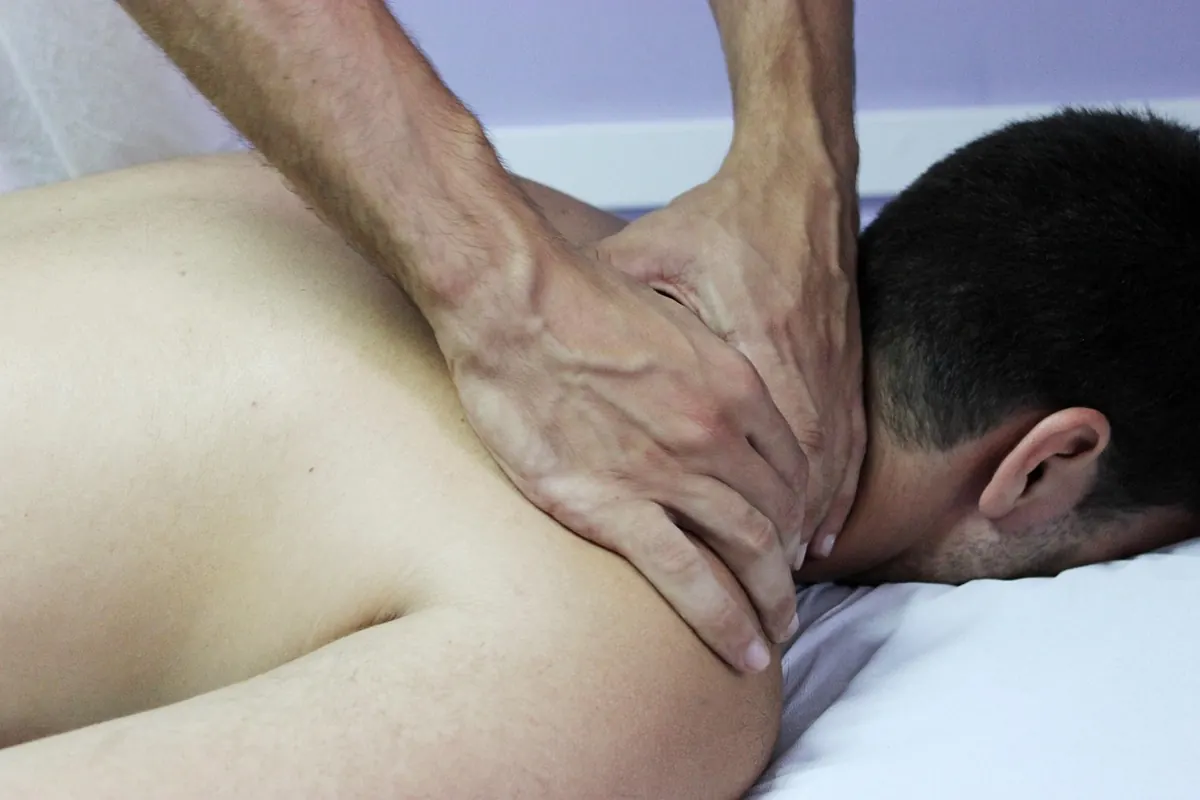
You know the feeling: your jaw is set, your shoulders have crept toward your ears, and a band of pressure wraps around your forehead. You may not have noticed any of it until someone asks if you are stressed. Tension often builds quietly, especially in the neck, jaw, and shoulders, and it can feed the kind of headache that makes it hard to think clearly.
Progressive muscle relaxation, or PMR, works by making tension visible. You tighten a muscle group for a few seconds, then release it and pay attention to the difference. The contrast is simple, but it gives your body a clear message: this is what letting go feels like. Below is a complete script you can read aloud, record for yourself, or follow from memory.
Why Tense Before You Release
When you deliberately tighten a muscle and then let it go, the release is easier to notice. That matters because low-level tension is easy to miss. You might hold your tongue against the roof of your mouth for an entire afternoon without realizing it. You might keep your shoulders slightly lifted while you work, or clench your back teeth while reading. PMR interrupts that background effort.
The practice also gives your attention somewhere specific to land. Instead of trying to empty your mind, you focus on physical sensation: the squeeze in your hands, the warmth after release, the weight of your shoulders dropping. If your thoughts wander, you simply return to the next muscle group.
This is a relaxation skill, not a cure for every headache. It can be useful for stress-related head and neck tension, and it is gentle enough to practice regularly. If headaches are frequent, severe, or changing, treat the script as a complement to professional care, not a replacement for it.
Before You Begin: Practical Ground Rules
Set yourself up so the practice feels easy rather than like another task to complete.
- Choose a quiet spot where you will not be interrupted for 10 to 15 minutes.
- Lie on your back with a pillow under your knees, or sit in a chair with your feet flat and your back supported.
- Loosen tight clothing, remove glasses if they press, and let your hands rest comfortably.
- Keep the tension moderate, around a 5 out of 10. Never squeeze hard enough to cause pain.
- Breathe normally. If you notice you are holding your breath, let the next exhale be slow and unforced.
- Skip any area that is injured, recently operated on, or painful. You can simply leave that muscle group out.
- Use a timer or a recorded voice if you tend to rush. The pauses are part of the practice.
A short note on safety: if you have a neck injury, a history of migraine, or headaches that are new, sudden, or severe, ask a clinician before trying vigorous muscle tensing, especially around the neck. Gentle shoulder and jaw release is usually more comfortable than forceful effort.
The Script, Part One: Hands, Arms, and Shoulders
Settle into your position and take two slow breaths. You will work through one area at a time. For each area, tense on an inhale, hold for about five seconds, then release on a long exhale and rest for 10 to 15 seconds. Notice the difference without trying to force it.
- Hands and forearms. Make loose fists and gently bend your wrists toward your forearms. Squeeze just enough to feel the tension in your hands and lower arms. Hold. Release. Open your fingers and let your hands rest. Notice tingling, warmth, or heaviness.
- Upper arms. Bend your elbows slightly and tighten your biceps, as if you were carrying something light. Hold. Release. Let your arms feel heavy.
- Shoulders. Lift your shoulders toward your ears. Keep the movement small. Hold. Release. Let them drop fully and feel the space between your ears and shoulders.
- Shoulder blades. Gently draw your shoulder blades toward each other, without arching your lower back. Hold. Release. Let your chest soften.
After the shoulders, pause for two or three breaths. Many people carry more tension here than they expect. If you notice one side is tighter, you can repeat that side once, but keep the effort mild.
The Script, Part Two: Neck, Jaw, and Face
These areas often contribute to head and neck tension, so move slowly and keep the effort gentle. If any movement feels sharp or uncomfortable, stop and move on.
Neck and jaw
Sit tall and slowly tuck your chin a few centimeters, as if you were making a double chin. Do not push your head backward or roll your neck in circles. Hold for three to five seconds, then release and let your head return to neutral. Notice the back of your neck lengthening.
Next, bring your attention to your jaw. Clench your back teeth gently, just enough to feel the muscles at the sides of your face engage. Hold for five seconds. Release and let your teeth part slightly. Let your tongue rest loosely in your mouth, not pressed against the roof. Pause and notice the change in your cheeks and temples.
Forehead, eyes, and face
Raise your eyebrows as if surprised. Hold for five seconds. Release and let your forehead smooth out. Then close your eyes tightly but gently, without scrunching your whole face. Hold. Release and let your eyes rest closed. Finally, scrunch your face as if you have tasted something sour, then release completely. Let your face feel still.
Finish with one more slow breath. Scan from your forehead to your jaw to your shoulders. You are not looking for perfect relaxation. You are simply noticing what is there.
Working With the Breath and the Space Between
The breath is not a performance. You do not need to count or breathe in a special pattern. Use the inhale to prepare for the tension and the exhale to let it go. Make the out-breath slightly longer than the in-breath, as if you were fogging a mirror.
The pause after release matters as much as the squeeze. Stay there for 10 to 15 seconds. Feel the weight of your arms, the support of the chair or floor, the temperature of the air. If your mind jumps to your to-do list, label it “thinking” and return to the last muscle group you released.
You may notice twitching, warmth, or a sense of heaviness. Those are common. You may also notice nothing dramatic. That is fine. Relaxation is not a test you pass or fail; it is a skill you practice.
A Short Version for a Bad Headache Day
When your head is already tight, a full body script can feel like too much. Use this five-minute version instead. Keep the tension low, around a 3 out of 10, and stop if the pain increases.
- Take three slow exhales.
- Lift your shoulders gently for five seconds, release, and rest for 15 seconds.
- Clench your jaw lightly for five seconds, release, and let your tongue rest.
- Raise your eyebrows for five seconds, release, and smooth your forehead.
- Make loose fists for five seconds, release, and open your hands.
- Finish with your palms resting over your eyes for three breaths, if that feels comfortable.
You can repeat the shoulder and jaw steps once more if you have time. The goal is to interrupt the tension loop, not to finish a perfect routine.
After the Script: Make It Stick
The best time to practice is on an ordinary day, not only when your head already hurts. Try a full session once or twice a week, and use the short version during work breaks. Pair it with a glass of water, a few minutes away from your screen, or a slow walk. These small anchors make the practice easier to remember.
Pay attention to the clues your body gives you during the day: a clenched jaw while reading, shoulders rising during a phone call, a tight forehead while driving. When you catch one, release it on an exhale. You do not need a mat or a quiet room for that.
Keep a simple note for a couple of weeks. Write down when you practiced and what you noticed. You are looking for patterns, not proof. If headaches continue to interrupt your life, speak with a doctor or another qualified health professional. Seek prompt medical advice for a sudden severe headache, a headache after a head injury, or one accompanied by fever, vision changes, weakness, confusion, or persistent vomiting. This script is a gentle self-regulation practice, and it works best alongside good care.
Photo: jarmon_88 / Pixabay